Why Most Commercial Leases Are Designed to Favour the Landlord — And What Smart Tenants Do Differently
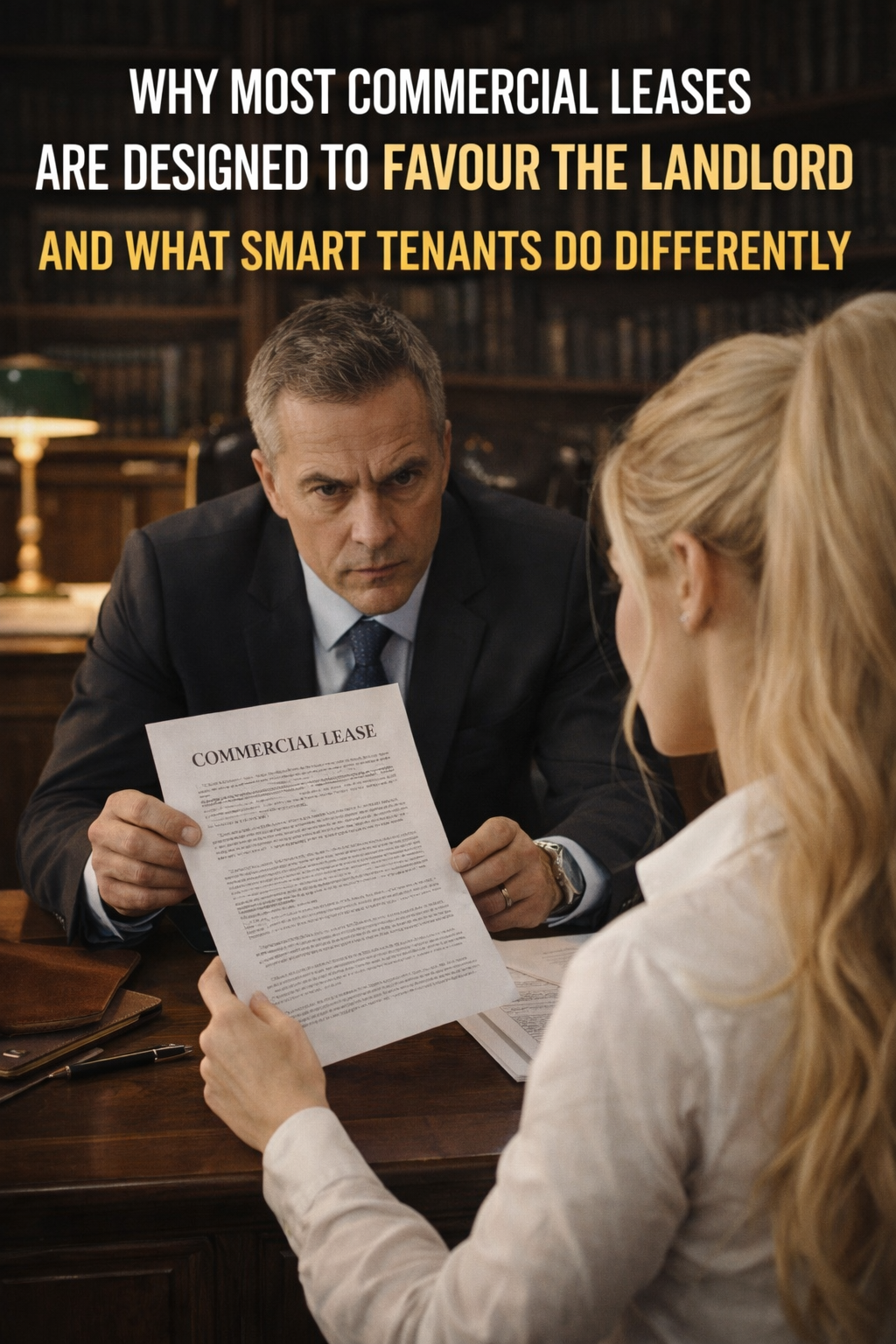
Commercial leases aren’t neutral documents. They’re not balanced. And they’re certainly not written with the tenant’s interests at heart.
Most commercial leases are drafted by landlords (or their lawyers), refined over years of experience, and structured to protect the landlord’s position at every turn. Tenants often don’t realise this until they’re already locked in facing unexpected costs, restrictive obligations, or break clauses that are almost impossible to exercise.
But here’s the truth: The imbalance isn’t inevitable. Smart tenants level the playing field — not by being aggressive, but by being informed.
Let’s break down what’s really going on.
1. The “Standard Lease” Myth
Tenants are often told a lease is “standard” or “non‑negotiable”. In reality, there is no such thing as a standard commercial lease.What “standard” usually means is: “This version heavily favours the landlord, and we’d prefer you didn’t look too closely.” Smart tenants don’t accept that. They ask the right questions. They push back on the right clauses. And they understand which points are commercially realistic to negotiate.
2. Repair Obligations That Go Far Beyond Fair
One of the biggest traps is repair liability.Many tenants unknowingly sign up to:
- Full repairing obligations on a building they don’t own
- Liability for pre‑existing defects
- Responsibility for structural issues they never caused
A single clause can turn a manageable lease into a financial time bomb.Smart tenants insist on:
- Clear schedules of condition
- Defined repair limits
- Exclusions for inherent defects
This isn’t being difficult it’s being commercially sensible.
3. Service Charges That Spiral Out of Control
Service charge clauses are often drafted with wide discretion:
- No cap
- No transparency
- No obligation to obtain competitive quotes
- No limit on what can be recovered
Tenants end up paying for improvements they never asked for.Smart tenants negotiate:
- Caps
- Exclusions
- Transparency obligations
- Clear definitions of what is (and isn’t) recoverable
A few lines of text can save thousands over the life of a lease.
4. Break Clauses Designed to Fail
Break clauses are notorious.On paper, they offer flexibility. In practice, they’re often drafted so tightly that tenants lose the right without realising it. Common traps include:
- “Material compliance” conditions
- Hidden notice requirements
- Rent and service charge timing pitfalls
- Obligations to give vacant possession
Smart tenants know that a break clause is only useful if it’s actually exercisable.
5. Hidden Costs That Don’t Appear Until It’s Too Late
Commercial leases often contain:
- Insurance shortfalls
- Dilapidations exposure
- Rent review mechanisms that only move one way
- Assignment restrictions that make exit difficult
These aren’t small details they’re the difference between a lease that supports a business and one that drains it. Smart tenants don’t wait for surprises. They identify these issues early and negotiate clarity.
The Bottom Line
Commercial leases favour landlords because landlords write them.But tenants who understand the structure and the risks buried in the detail can negotiate far better outcomes.
And that’s the real advantage: knowledge, not aggression.
If you want a clear, practical guide to understanding those risks and protecting yourself before you sign anything, we have written two short, no‑nonsense books designed to help tenants and buyers avoid the most expensive mistakes in commercial property.
📘 The Commercial Lease Guide

A plain‑English breakdown of the clauses that matter, the traps that catch tenants out, and the negotiation points that genuinely move the needle.
📗 The Commercial Property Due Diligence Handbook: What Buyers Must Check Before Committing
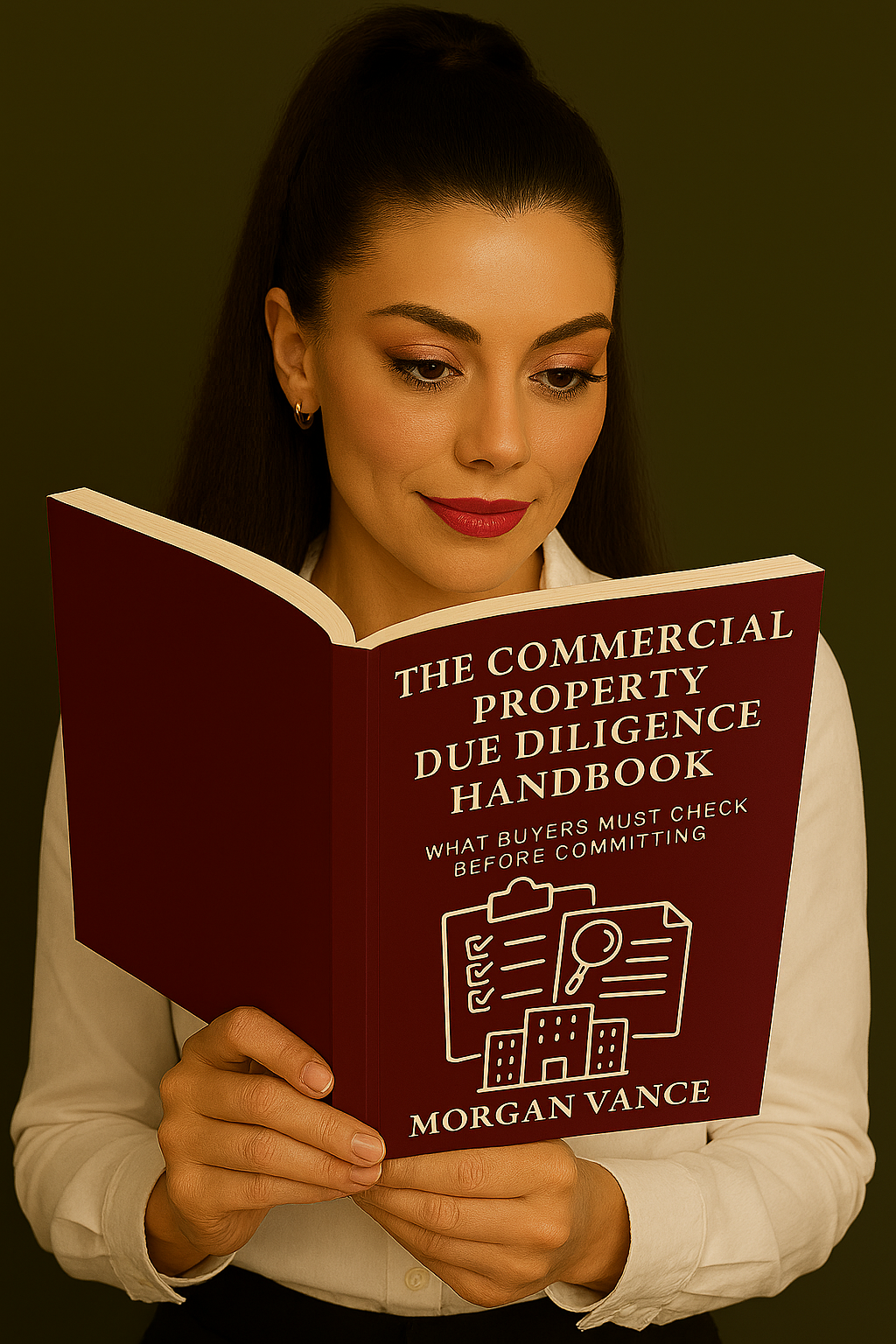
A step‑by‑step checklist for anyone taking a lease or buying a commercial property — showing you exactly what to check, what to question, and what to challenge before committing.
Both guides are available through Morgan Vance Publishing on our website, the link to our website is in the comments below.
They’re designed to give professionals and decision‑makers the clarity they need to move through commercial property transactions with confidence, precision, and control.
#CommercialProperty
#CommercialLeases
#PropertyLaw
#RealEstateUK
#Investors
#Developers
#DueDiligence
#LeaseNegotiation