The Most Common “Cobra Moments” in Commercial Leases
1. The Break Clause That Bites Back
Tenants often assume a break clause is a simple escape route. In reality, it’s one of the most technical, unforgiving mechanisms in commercial property law. Miss a condition — even a small one — and the break fails. The lease continues. The rent continues. The liabilities continue.The cobra strikes.
2. The Repairing Obligation That Isn’t What It Seems
“Keep the property in good repair” sounds harmless. But depending on the wording, it can mean:
- You must repair pre‑existing defects
- You must improve the property
- You must return it in better condition than you received it
A tenant can end up funding repairs that should never have been theirs.
3. The Service Charge With No Ceiling
A service charge cap is a shield. Without one, the landlord can recover almost anything:
- Major works
- Unexpected upgrades
- Long‑term maintenance projects
Tenants often discover this only when the invoice arrives.
4. The Rent Review That Only Goes One Way
Upwards‑only rent reviews are standard. But many tenants don’t realise what that means in practice:
- The rent can rise
- The rent can stay the same
- The rent can never go down
Even in a falling market.
5. The Alienation Clause That Traps You
Assignment and subletting look like exit routes. But the conditions attached can make them impossible to use.A tenant can find themselves locked in — even when they have a willing replacement.
Why These Risks Stay Hidden
Because commercial leases are designed to look routine.They’re written in calm, neutral language. They’re presented as standard. They’re signed under time pressure. And most tenants assume the danger would be obvious if it existed.But the danger isn’t obvious. It’s structural. It’s legal. It’s embedded.Just like the cobra, it sits quietly until the moment you get too close.
The Real Lesson Behind the Metaphor
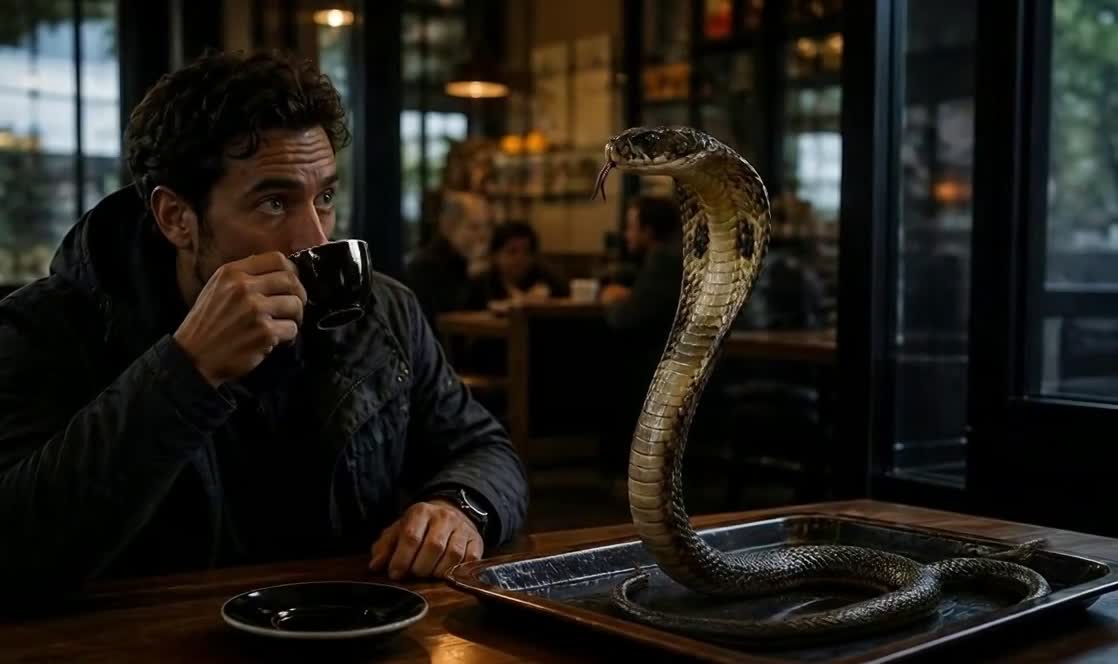
The image works because it captures the truth about commercial leases:The danger is rarely where you expect it.It’s in the clauses you didn’t notice.The obligations you didn’t question.The conditions you didn’t realise mattered.Most tenants don’t get bitten because they were reckless. They get bitten because they were unaware.
How to Protect Yourself Before You Sign
You don’t need to fear commercial leases. You just need to understand them.Before signing:
- Read every clause that deals with repair, service charge, and alterations
- Check whether the break clause has conditions
- Confirm whether the rent review can ever go down
- Look for caps on service charges
- Understand the exit routes (assignment, subletting, surrender)
- Get clarity on dilapidations obligations
- Ask for drafts early and negotiate wording, not just numbers
A commercial lease is a business contract — not a formality. Treat it with the same caution you’d give to any other major financial commitment.
ALWAYS SEEK LEGAL ADVICE FROM A SOLICITOR OR QUALIFIED LEGAL SPECIALIST ON THE TERMS OF YOUR COMMERCIAL LEASE BEFORE PROCEEDING
The person in the image looks calm because they don’t realise what’s sitting in front of them.Most tenants are the same.They sign a lease believing they’re getting a workspace, a shop, or an office and only later discover they also signed up for structural repairs, uncapped charges, or a break clause that was never truly breakable.The danger isn’t the lease itself.It’s what you didn’t know was inside it.And that’s exactly why Morgan Vance guide exists.
Take Control Before the Danger Strikes
The truth is simple: the risks in a commercial lease rarely announce themselves. They sit quietly in the drafting, waiting for the moment you’re too close to step back. That’s why knowledge isn’t optional, it’s protection. If you want to stay ahead of the hidden dangers and avoid getting more than you bargained for, equip yourself with the clarity that turns uncertainty into control.
Explore the Morgan Vance guides on Amazon and make sure the only surprises in your business are the ones you choose.